Best Seasons for Damaged Driveway Demolition
Damaged driveway demolitions are most effectively scheduled during periods of mild weather, typically in spring or early fall. Avoiding extreme temperatures helps ensure safety and facilitates proper disposal and site preparation.
Demolitions are best performed in moderate temperatures to prevent material issues and ensure safety.
Spring and fall offer ideal conditions, avoiding summer heat and winter cold that can hinder demolition work.
Planning during suitable weather reduces delays and ensures efficient completion of demolition projects.
Avoid periods of heavy rain or snow to prevent site flooding and safety hazards.
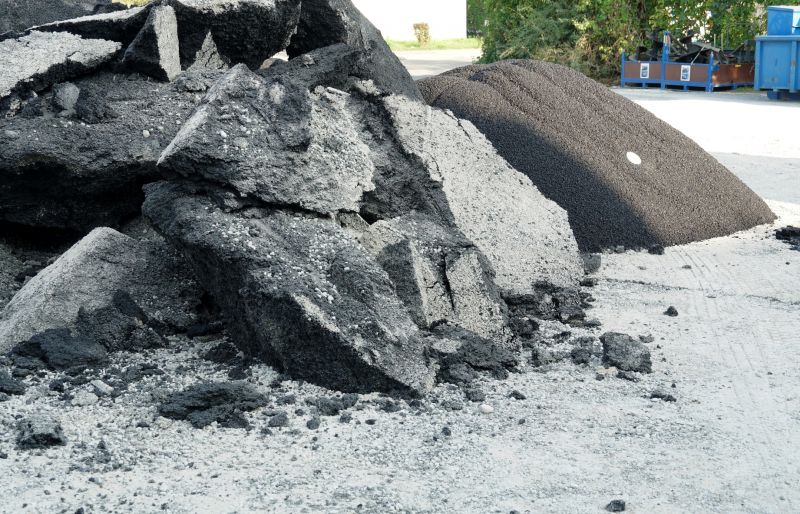
Ways to make Damaged Driveway Demolitions work in tight or awkward layouts.
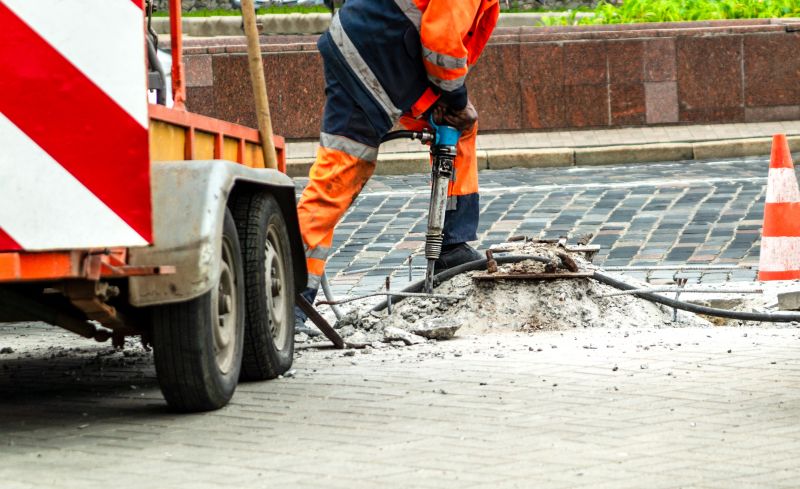
Popular materials for Damaged Driveway Demolitions and why they hold up over time.

Simple add-ons that improve Damaged Driveway Demolitions without blowing the budget.
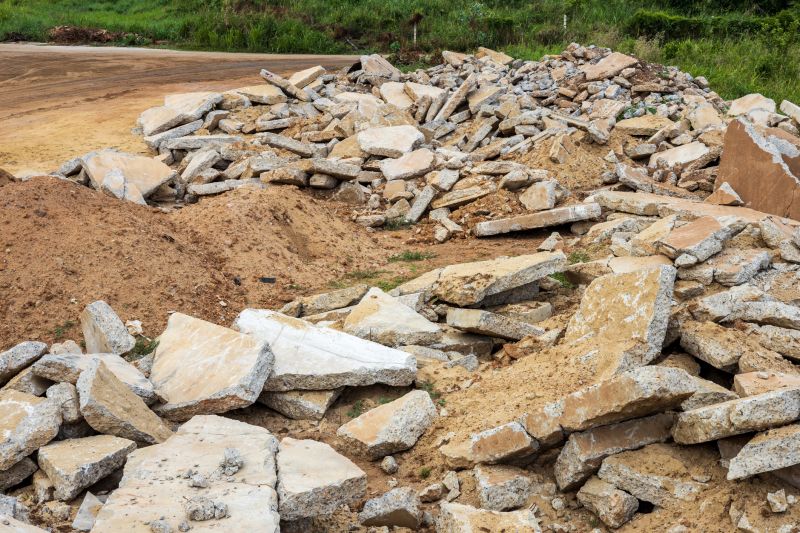
High-end options that actually feel worth it for Damaged Driveway Demolitions.
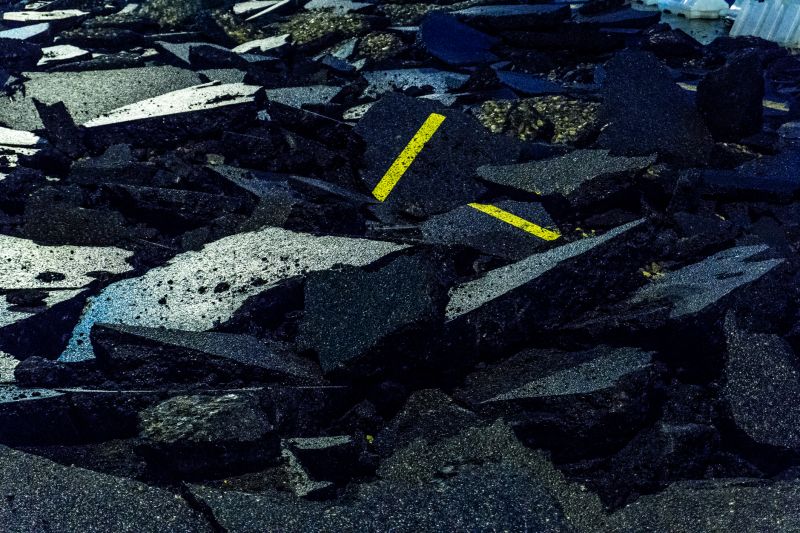
Finishes and colors that play nicely with Damaged Driveway Demolitions.

Little measurements that prevent headaches on Damaged Driveway Demolitions day.
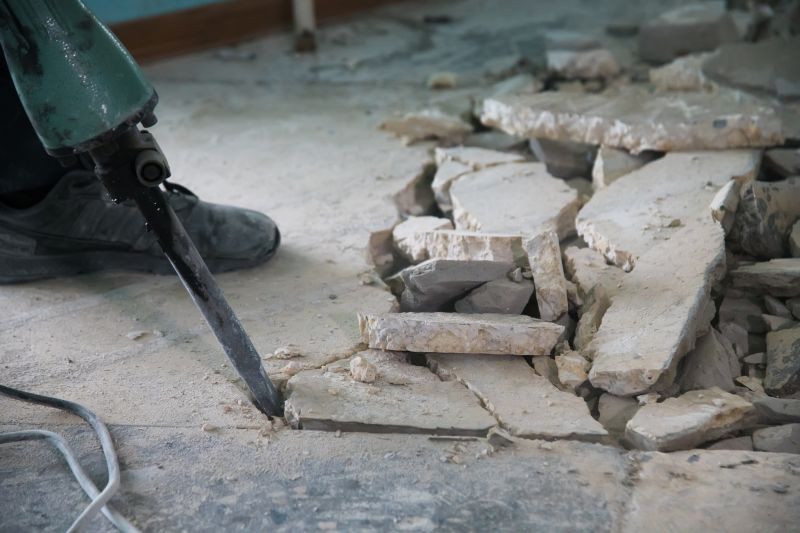
A 60-second routine that keeps Damaged Driveway Demolitions looking new.
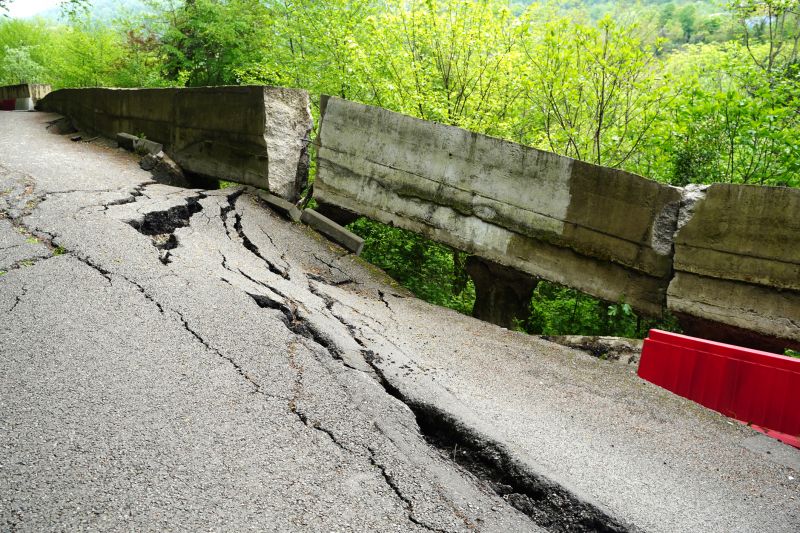
A frequent mistake in Damaged Driveway Demolitions and how to dodge it.
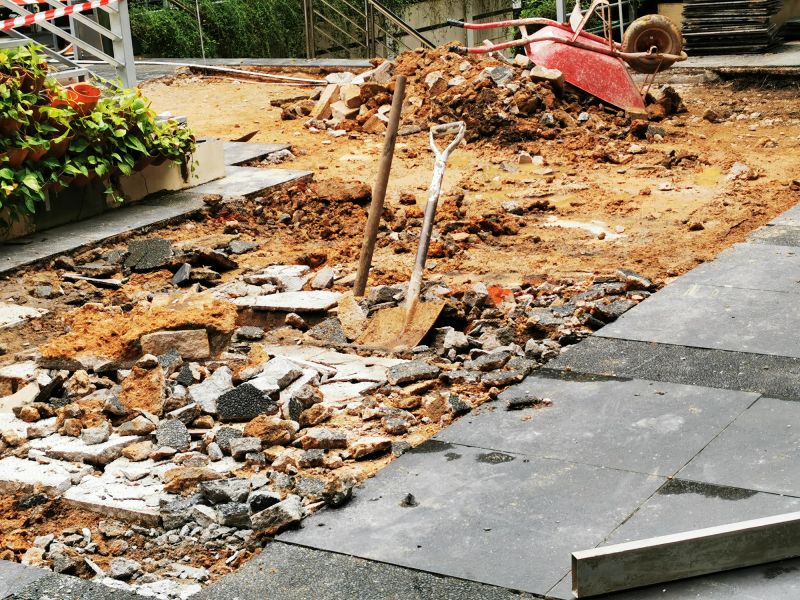
Small tweaks to make Damaged Driveway Demolitions safer and easier to use.
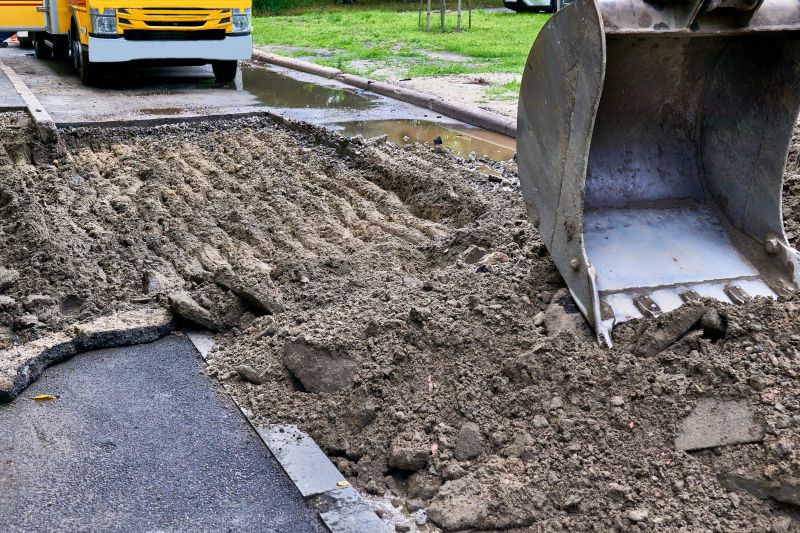
Lower-waste or water-saving choices for Damaged Driveway Demolitions.
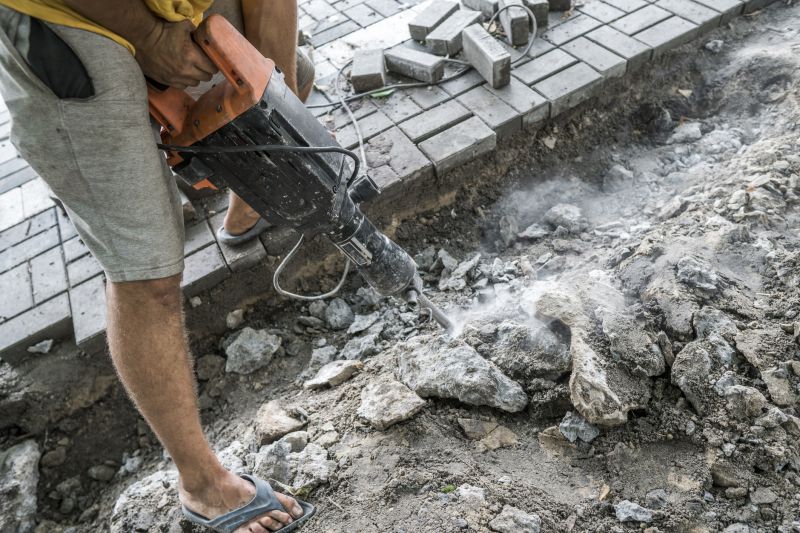
The short, realistic tool list for quality Damaged Driveway Demolitions.
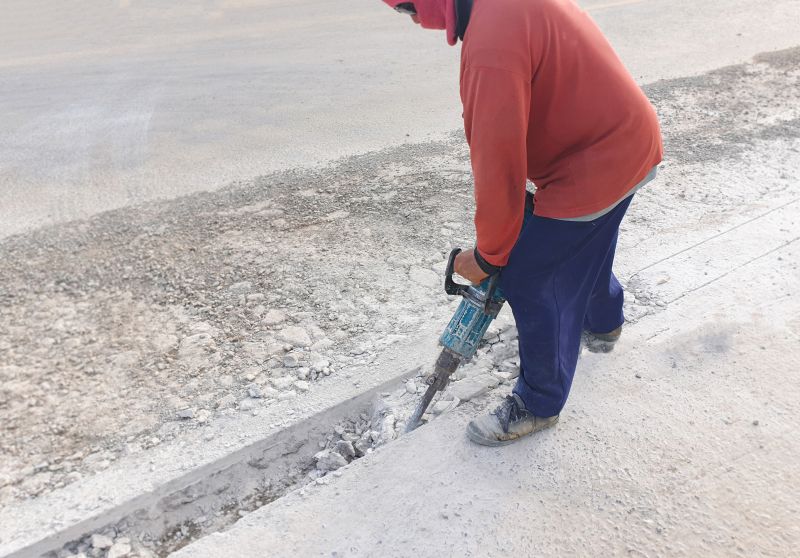
Rough timing from prep to clean-up for Damaged Driveway Demolitions.
Interested in scheduling a damaged driveway demolition? Filling out the contact form can provide more information and help plan the project at the most suitable time for site conditions and personal schedules.